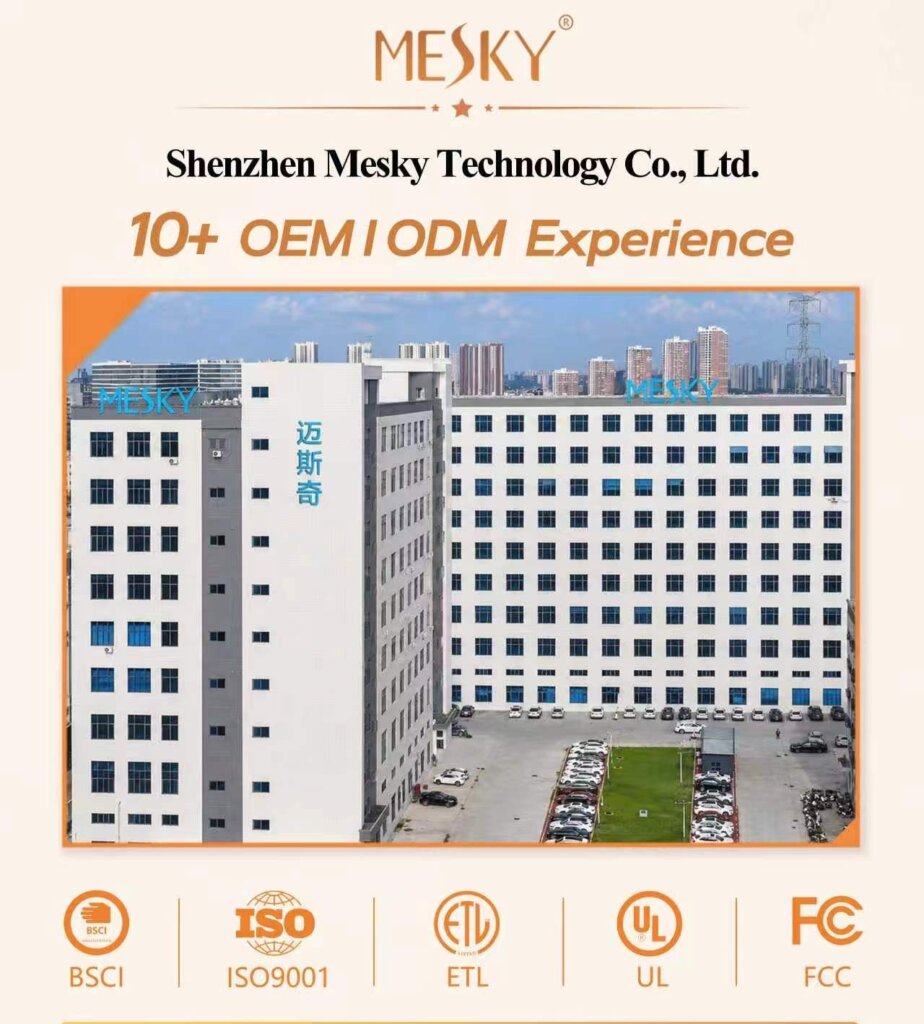
A Manufacturer-Focused Overview for Brands, Distributors, and Professional Markets
Introduction: Understanding Hair Dryer Brushes from a Manufacturing Perspective
A hair dryer brush is a fast-growing category in the global hair styling tools market.
For brands, distributors, and cross-border sellers, it is not just a styling tool, but a mature, scalable product category with clear application scenarios and strong potential for product line expansion.
Compared with traditional hair dryers or single-function styling tools, hair dryer brushes are easier for the market to understand, simpler to use, and more flexible for product differentiation. This makes them particularly suitable for brand development, private-label programs, and wholesale distribution.
This page explains hair dryer brushes from a manufacturer and professional market perspective, covering product definition, structure, main types, application logic, and key selection considerations to help B2B buyers evaluate whether this category fits their target markets and product strategy.
What Is a Hair Dryer Brush?
A hair dryer brush is a hot-air styling tool that integrates drying and brushing into one device. During use, airflow and heat are applied while the brush structure supports and shapes the hair.
From a manufacturing and supply perspective, hair dryer brushes are typically positioned as entry-level to mid-range styling tools, allowing brands to differentiate products through:
-
Power and airflow configurations
-
Brush head structure and size
-
Exterior design, color, and packaging
-
Single-function or multi-function combinations
As a result, hair dryer brushes often serve as core volume models or foundational SKUs within a brand’s styling tool lineup.
How Hair Dryer Brushes Work
Hair dryer brushes generate controlled heat and airflow through an internal heating system. The airflow is distributed through a designed air channel and released evenly around the brush head.
From a manufacturing standpoint, performance is determined less by complex functions and more by structural stability, including:
-
Airflow channel design
-
Even heat distribution
-
Durability of the brush head and bristles
These factors directly affect product reliability in long-term and high-frequency usage scenarios, which is a key concern in professional and commercial markets.
Main Types of Hair Dryer Brushes and Market Positioning
Round Hair Dryer Brushes
Round brush designs are the most common format, suitable for smoothing, adding volume, and creating soft curves.
In brand and wholesale markets, round hair dryer brushes are typically positioned as:
-
Mainstream, high-volume models
-
Base products covering the widest user group
-
The easiest type for exterior and parameter differentiation

Rotating Hair Dryer Brushes
Rotating hair dryer brushes feature motor-driven brush rotation, reducing manual effort during styling.
From a product line planning perspective, rotating designs are often used as:
-
Upgraded or value-added models
-
Mid-to-high-tier product extensions
-
Supplements to a core lineup rather than single hero products
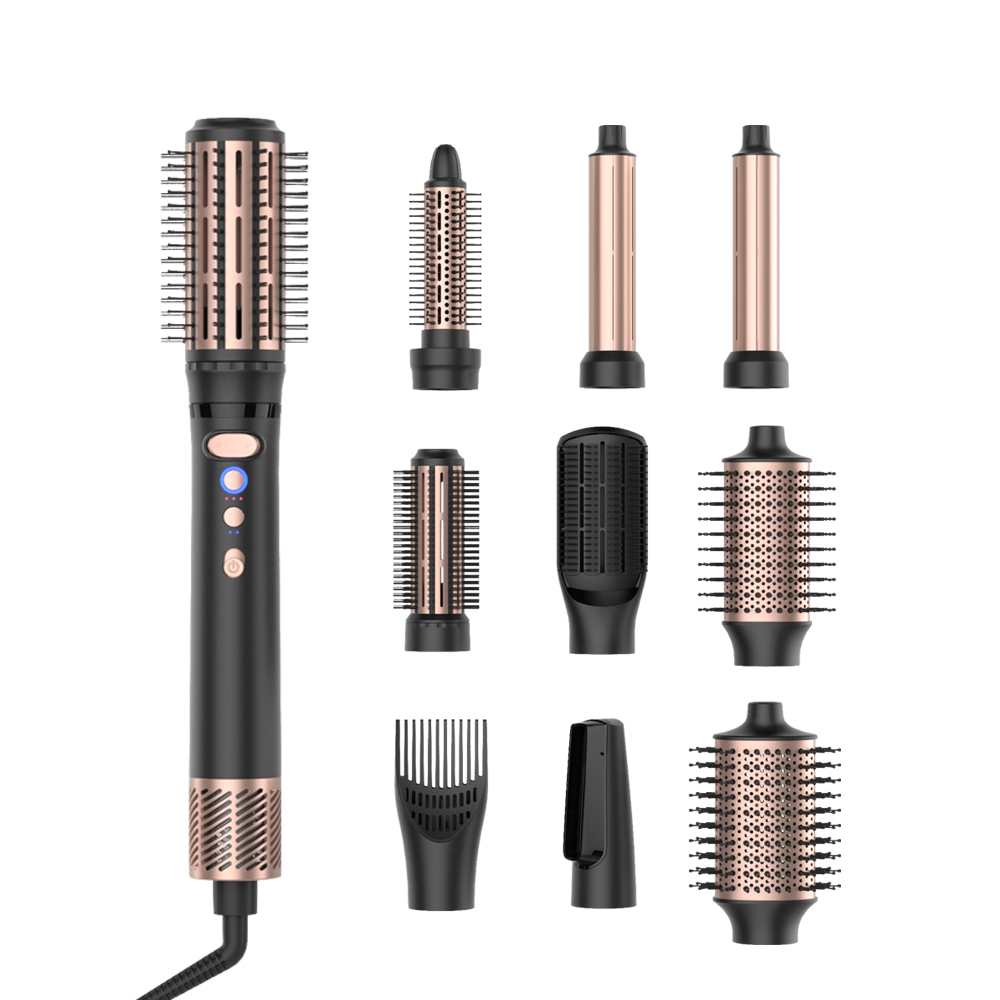
Oval and Roller-Style Brushes
These designs balance root volume and hair smoothing, making them suitable for versatile styling needs and broader market positioning.

Multi-Function Hair Dryer Brushes
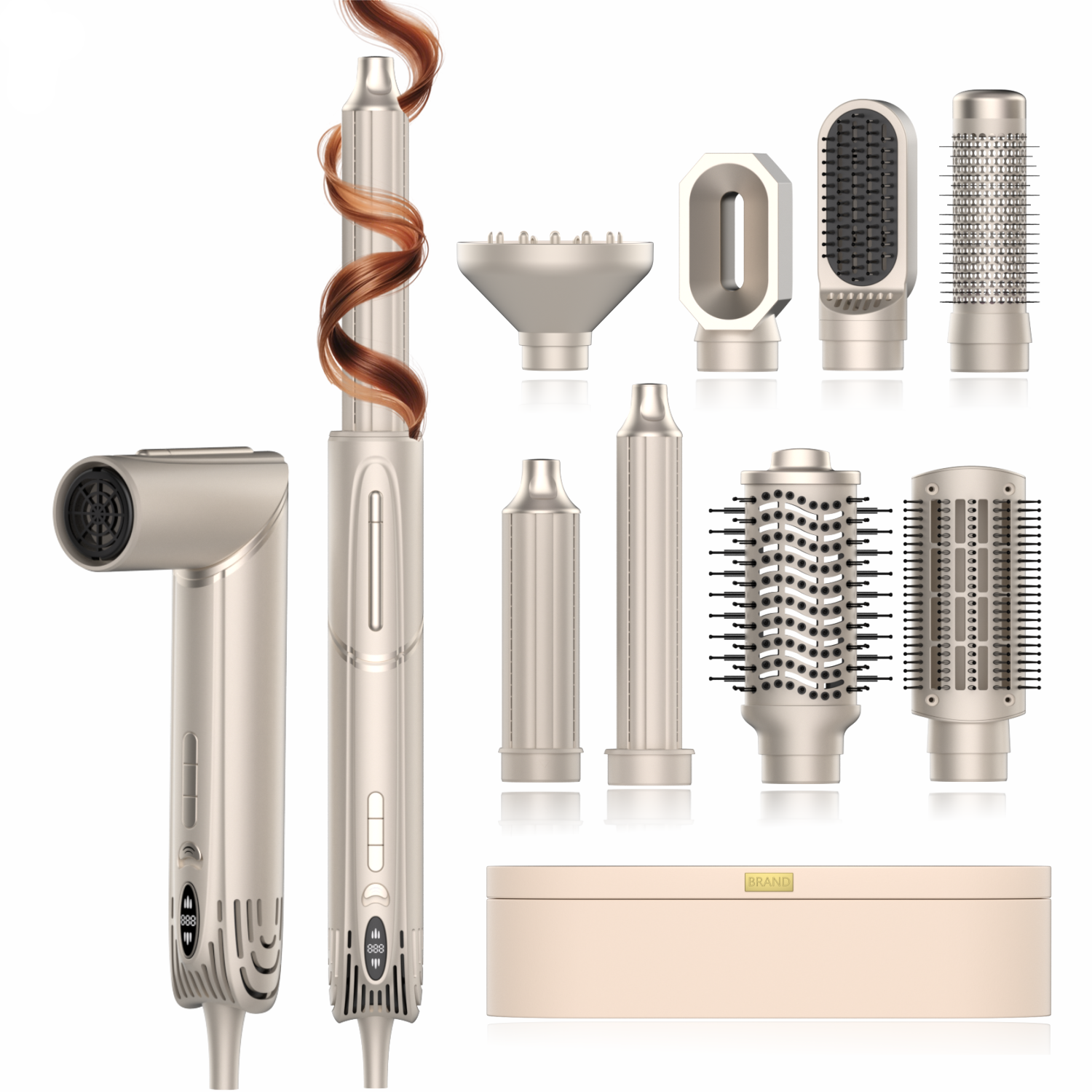
Multi-function models use interchangeable brush heads or combined structures to support straightening, curling, and volumizing.
At the brand level, multi-function designs are often used to:
-
Expand product series
-
Address diverse market preferences
-
Increase perceived value and pricing flexibility
Core Market Advantages of Hair Dryer Brushes
From a product planning and channel perspective, hair dryer brushes offer several advantages:
-
Clear functional logic and low market education cost
-
Relatively low usage barrier, improving end-user acceptance
-
Mature structures suitable for mass production
-
Easy development of multiple versions through configuration changes
-
Strong compatibility with both online and offline sales channels
These characteristics make hair dryer brushes a common entry or expansion category for many styling tool brands.
Hair Dryer Brush vs Traditional Hair Dryer
| Aspect | Hair Dryer Brush | Traditional Hair Dryer |
|---|---|---|
| Drying & Styling | Combined | Separate steps |
| Ease of Use | Higher | Requires more skill |
| Product Understanding | Intuitive | Skill-dependent |
| Market Adoption | Faster | More segmented |
In many applications, hair dryer brushes enable faster product acceptance and clearer positioning.
Hair Types and SKU Planning Logic
Different hair types usually require different product configurations:
-
Short hair: Smaller brush heads, better control
-
Fine hair: Gentler heat control and airflow
-
Curly or textured hair: Even airflow to avoid over-straightening
-
Thick or long hair: Stronger airflow and structural stability
For brands and distributors, these differences often translate into SKU planning strategies, rather than a single model intended to fit all users.
Dual Voltage and Cross-Border Market Applications
In international and cross-border markets, dual-voltage hair dryer brushes (110–240V) have become increasingly important.
This design helps:
-
Expand usable market regions
-
Reduce inventory complexity
-
Improve supply chain efficiency
As a result, dual-voltage solutions are often prioritized for export-oriented brands and global distribution.
Key Selection Considerations for Brands and Wholesale Buyers
For B2B customers, selecting a hair dryer brush should be based on more than basic functionality. Important considerations include:
-
Product stability under long-term, high-frequency use
-
Compliance with power, voltage, and certification requirements across markets
-
Availability of OEM / ODM customization
-
Supplier capability for consistent supply and future product upgrades
Working with an experienced manufacturer helps ensure quality consistency and faster market execution.
👉 Explore MESKY Hair Dryer Brush Manufacturing & OEM/ODM Solutions
https://szmesky.com/product/blow-dryer-brush-and-volumizer-with-logo/
Frequently Asked Questions
Are hair dryer brushes suitable for frequent use?
With proper design and controlled heat output, hair dryer brushes can support high-frequency usage.
Are rotating brushes necessary for all markets?
Not always. Rotating designs are better positioned as line extensions rather than standard configurations.
Are multi-function hair dryer brushes always superior?
Multi-function designs add differentiation, but their value depends on target market positioning.
Conclusion: Viewing Hair Dryer Brushes as a Product Category
From a manufacturing and market perspective, hair dryer brushes are a structurally mature, clearly positioned, and highly scalable styling tool category.
With proper structural design and product planning, they can support long-term, multi-market product line development.
For brands, distributors, and cross-border sellers, partnering with a manufacturer that offers stable production and customization experience is key to building sustainable competitiveness.