How to Choose a Reliable OEM Hair Dryer Manufacturer
A Practical Sourcing Guide for Private Label Brands, Importers, and Wholesale Distributors
Choosing the right OEM hair dryer manufacturer can determine whether your beauty brand launches a competitive product or faces repeated problems with product quality, delivery, and customization.
For importers, private label beauty brands, e-commerce businesses, and wholesale distributors, sourcing hair dryers involves much more than finding the lowest factory price.
A suitable manufacturing partner should understand your target market, support the required product configurations, maintain consistent quality control, and communicate clearly throughout the sourcing process.
In this guide, we explain how to evaluate hair dryer manufacturers, compare OEM and ODM services, assess production capabilities, review product compliance, and prepare an effective request for quotation.
1. Understand the Difference Between OEM, ODM, and Private Label Hair Dryers
Before contacting a supplier, determine which type of manufacturing service your project needs.
Although OEM, ODM, and private label are sometimes used interchangeably, they can involve different development responsibilities and levels of customization.
| Manufacturing Model | Typical Arrangement | Suitable Buyers |
|---|---|---|
| OEM | Manufacturing to agreed buyer specifications or requirements | Established brands with defined product requirements |
| ODM | Manufacturer provides or develops product designs and configurations for customer selection or customization | Brands seeking product development support |
| Private Label | An existing or modified product is sold under the buyer’s brand | E-commerce sellers, importers, and emerging beauty brands |
| Standard Wholesale | Buyer purchases existing products with limited customization | Distributors and wholesale resellers |
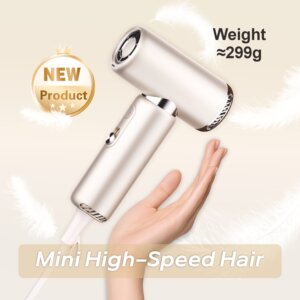
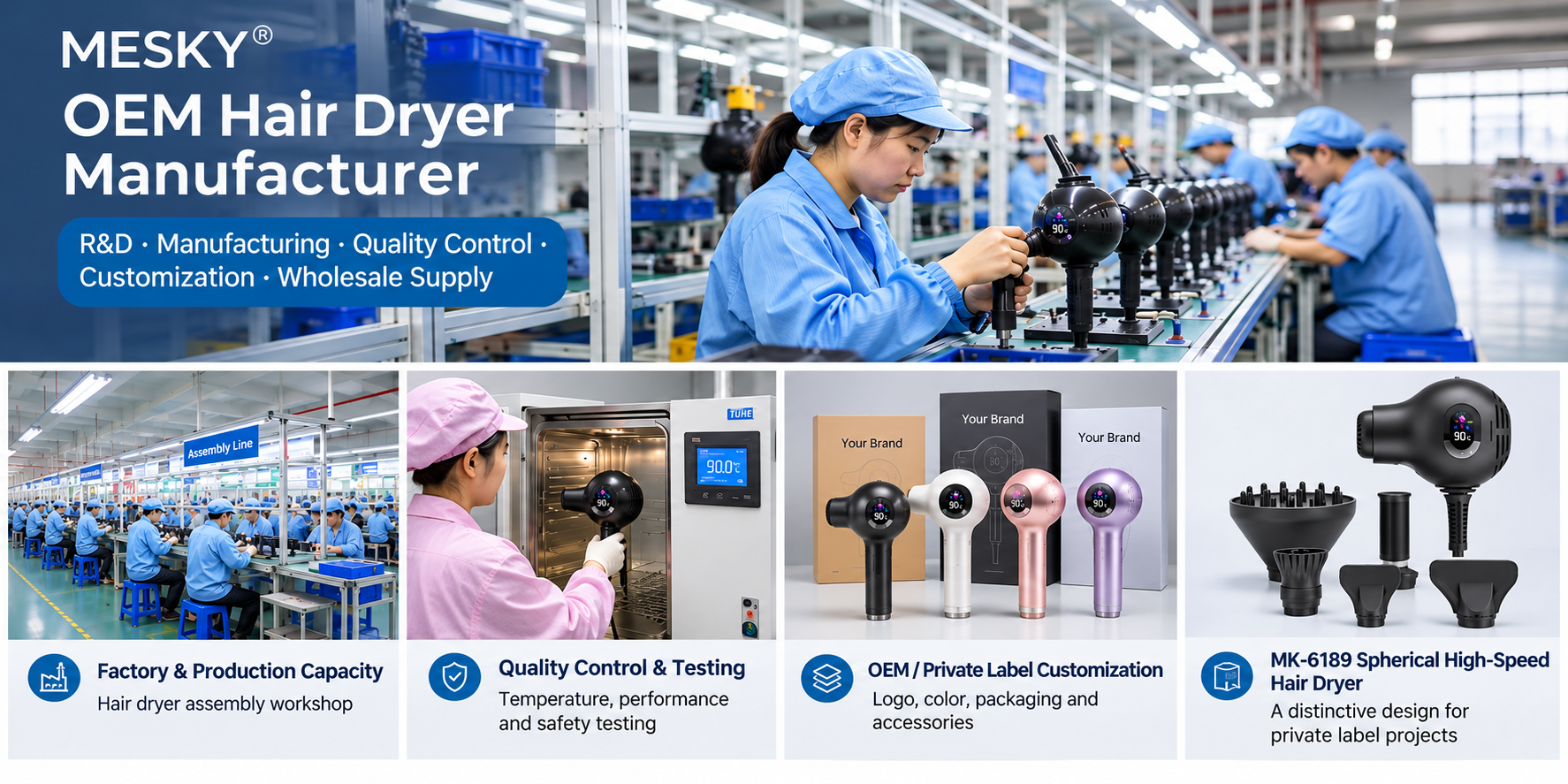
For example, a new beauty brand may start with an existing high-speed hair dryer model and customize the logo, product color, and retail packaging.
A larger brand may require a different motor configuration, housing design, accessory combination, or product development process.
Buyer Tip: Ask the supplier exactly which elements can be customized on the selected model. Not every OEM or ODM project requires a completely new product design or mold.
2. Evaluate the Manufacturer’s Factory and Production Capabilities
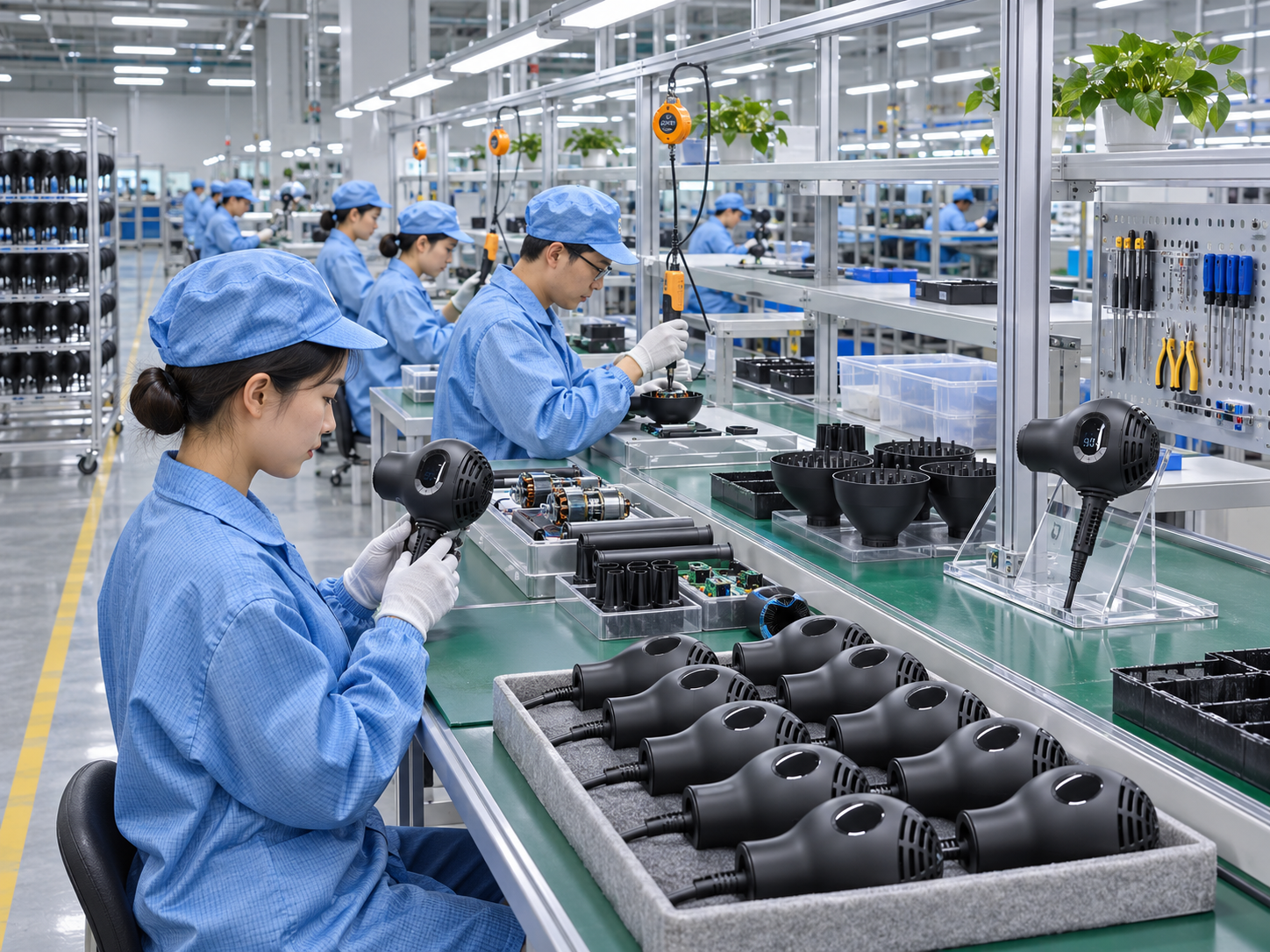
A reliable hair dryer factory should have the resources, production processes, and supplier coordination capabilities to fulfill orders consistently.
When comparing manufacturers, review the following areas.
Production Capacity and Assembly Resources
Ask about:
- Monthly production capacity
- Available assembly lines and production scheduling
- Capacity for repeat orders and seasonal demand
- Component sourcing and inventory management
- Finished-product inspection arrangements
Large production capacity can be beneficial, but it does not automatically guarantee better quality.
A smaller project with complex customization may require more engineering support than a high-volume standard order.
In-House Engineering and Product Development
Manufacturers with engineering and development capabilities may offer more support when brands need differentiated products.
Relevant capabilities include:
- Product design and mechanical engineering
- Mold development and product sampling
- Motor and heating system configuration
- PCBA development and testing
- Accessory and packaging development
Ask the factory whether engineering, tooling, testing, and major component production are performed in-house or through external partners.
This helps buyers understand responsibilities, communication processes, and potential development risks.
Factory Verification
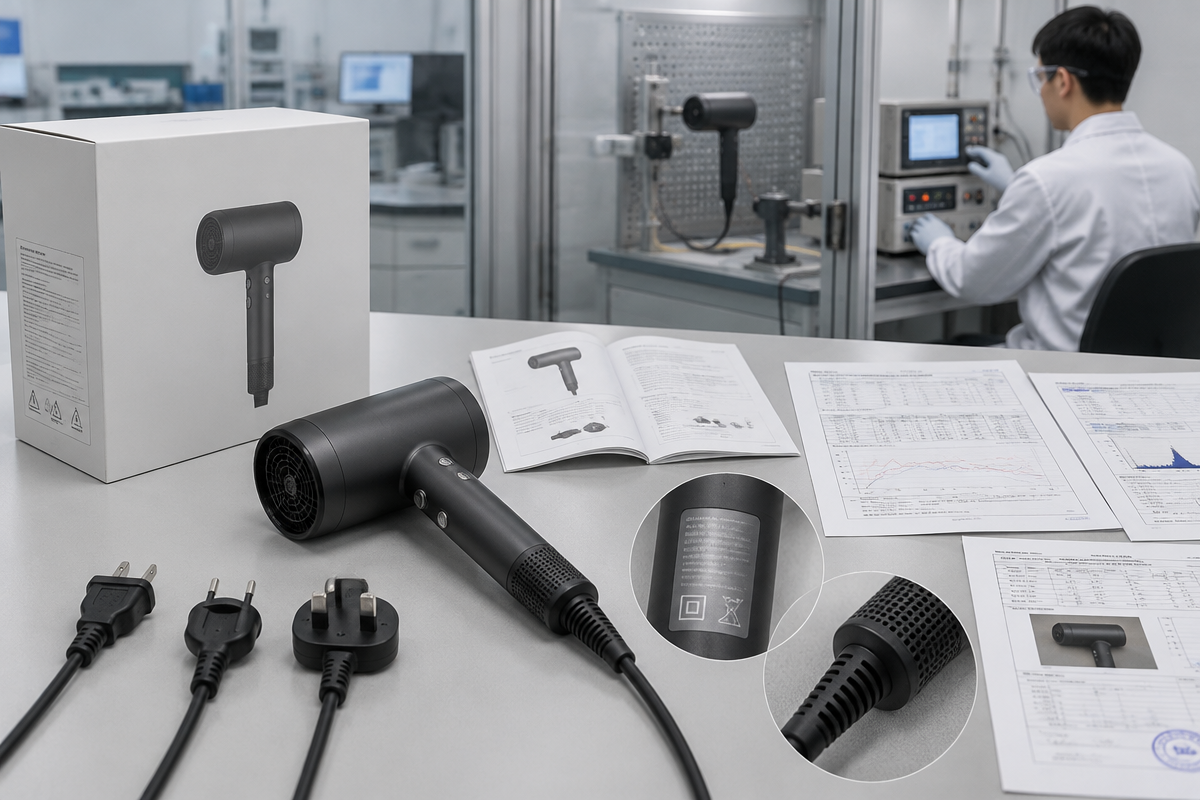
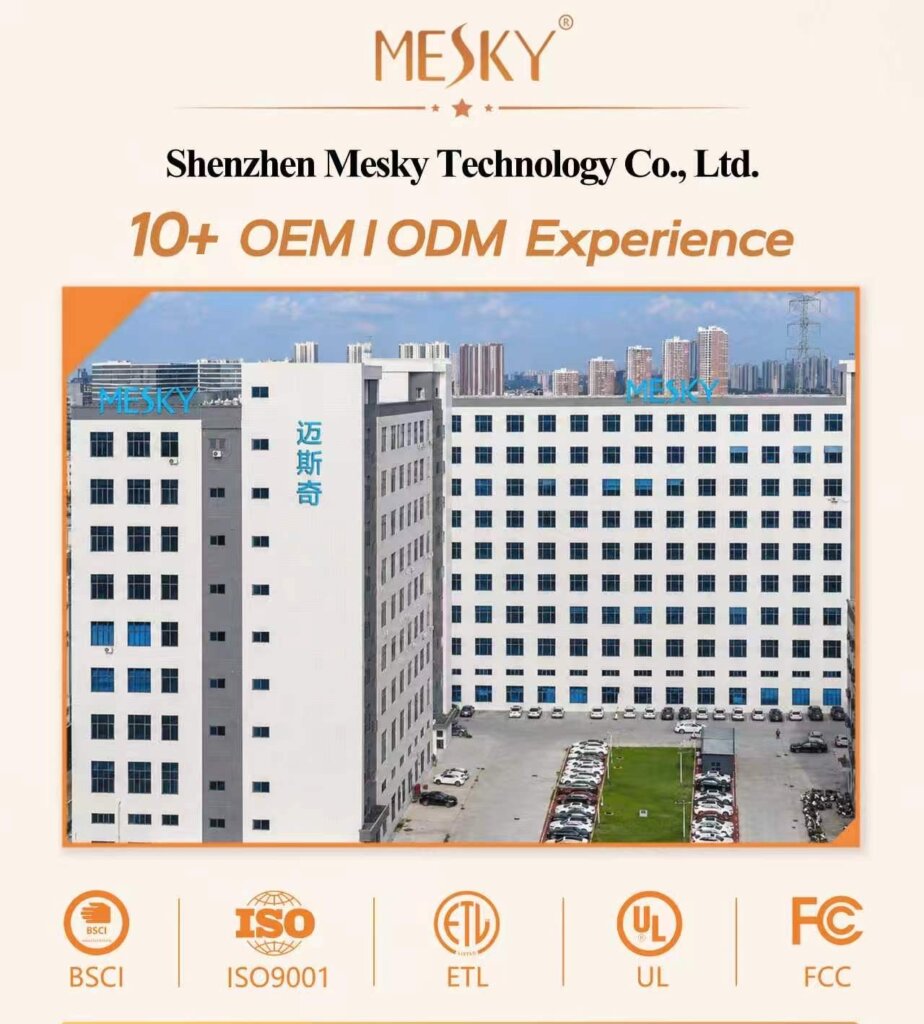
Request supporting information such as a factory profile, production photographs, quality management information, and available audit reports.
Where possible, arrange a factory visit or independent inspection.
A professional supplier should be able to explain its manufacturing workflow and quality management approach.
3. Compare Hair Dryer Product Technologies and Specifications
Product specifications should be evaluated according to the target market and retail positioning, not simply by choosing the highest advertised numbers.
AC, DC, and Brushless Motors
Hair dryers may use different motor technologies.
| Motor Category | Common Considerations | Sourcing Focus |
|---|---|---|
| AC Motor | Traditional professional dryer configurations | Product weight, airflow, durability and performance |
| DC Motor | Various conventional consumer hair dryer designs | Cost, size and product positioning |
| Brushless Motor (BLDC) | High-speed hair dryer designs | Motor speed, airflow, control system, noise and reliability |
Motor technology alone does not determine the quality of a finished hair dryer.
Buyers should also compare airflow performance, heating systems, noise, product weight, service life testing, and actual styling results.
Heating and Temperature Control
Important questions include:
- What temperature settings does the model provide?
- How is heating performance controlled?
- Is there a cool-shot function?
- What safety protection mechanisms are included?
- How is temperature stability tested?
For products marketed with intelligent temperature control, request the relevant technical explanation and supporting performance information.
Attachments and Product Configurations
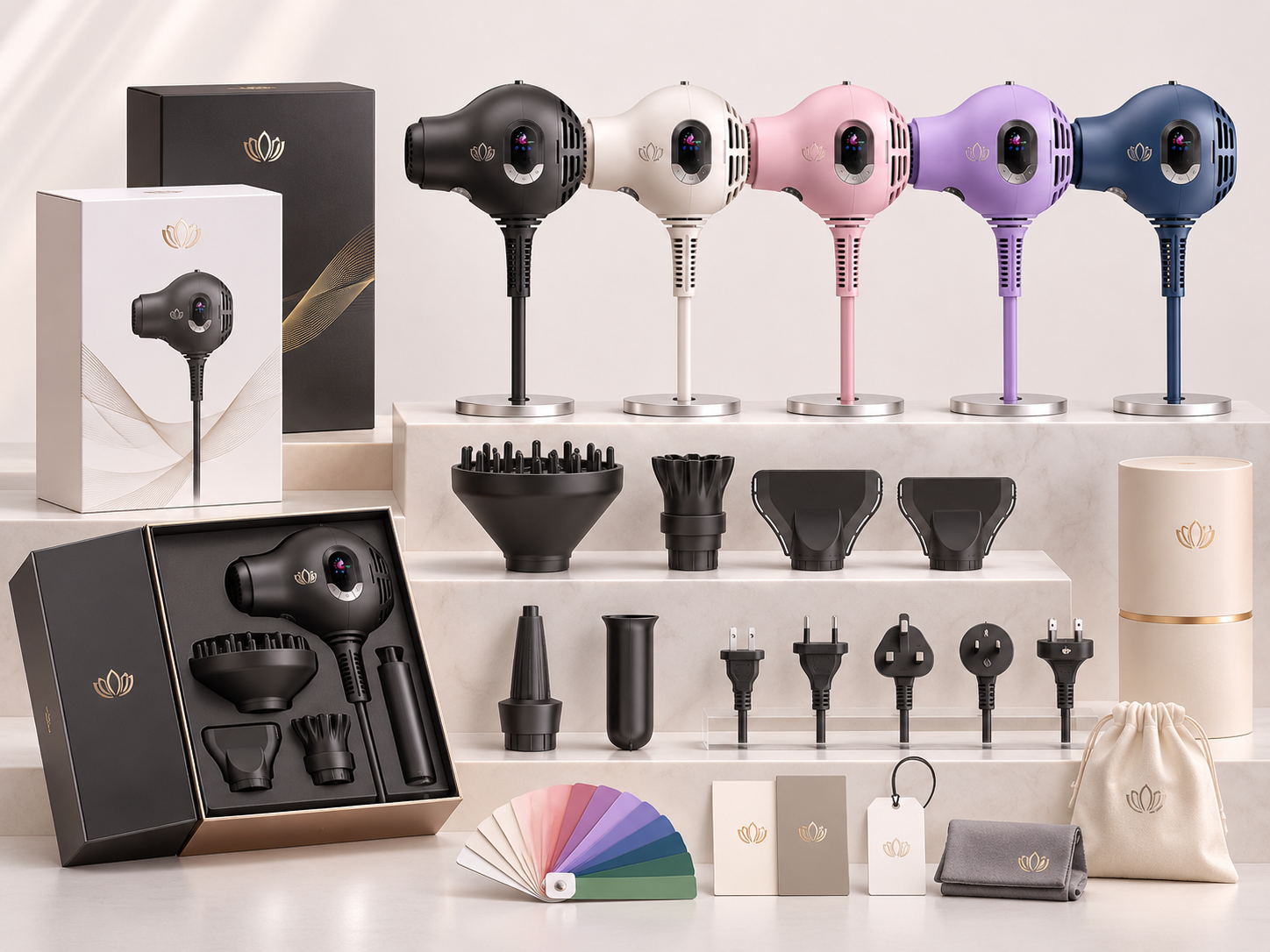
Nozzles, diffusers, filters, and styling accessories can influence a product’s positioning.
For private label projects, buyers should confirm which accessories are standard and which are optional.
A supplier may offer different attachment configurations for separate retail channels, but each combination should be confirmed before packaging design and quotation approval.
4. Check OEM and Private Label Customization Capabilities
Customization is one of the main reasons brands work directly with hair dryer manufacturers.
The available options depend on the selected product model, order quantity, and development requirements.
Custom Logo and Branding
Logo customization may involve printing, labeling, engraving, or other approved production methods.
Ask the supplier about:
- Available logo positions
- Artwork requirements
- Printing durability
- Logo setup costs
- Minimum quantities for different methods
Product Color and Material Options
A consistent visual identity can help brands distinguish their products.
Discuss housing colors, finishes, surface treatments, and material options with the supplier.
Custom finishes may involve additional production steps, testing, or minimum order requirements.
Packaging Customization
Retail packaging is particularly important for beauty brands and online sellers.
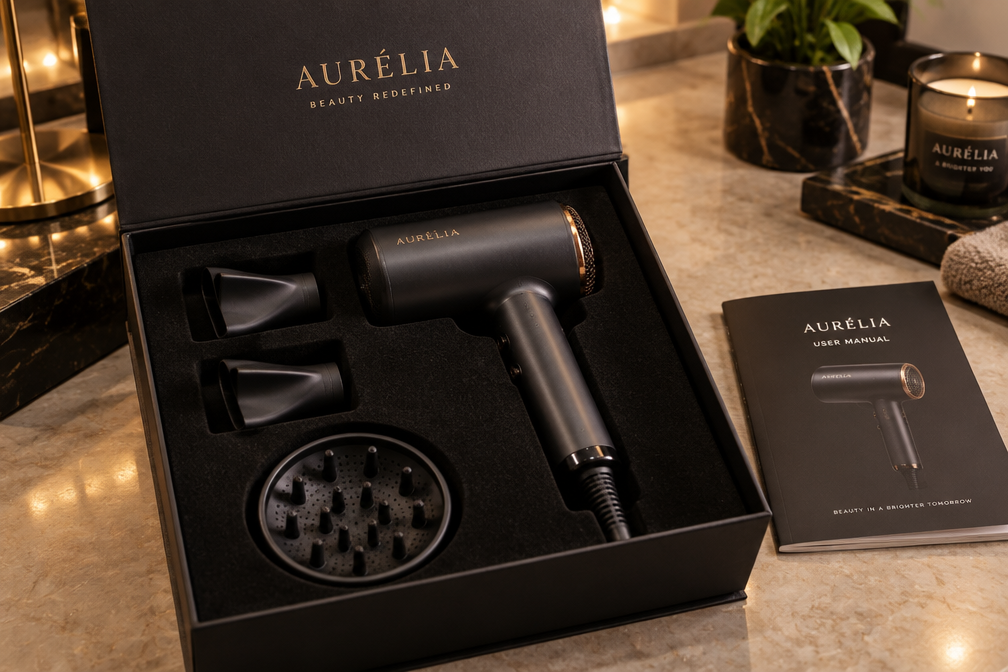
Options may include branded color boxes, gift packaging, protective inserts, manuals, and market-specific labeling.
A good packaging plan should consider not only appearance but also product protection and transportation.
Electrical and Accessory Configurations
Buyers selling across multiple countries should discuss voltage, plug types, and model compatibility early in the sourcing process.
Do not assume that a hair dryer supports every voltage simply because another model in the same supplier’s catalog does.
All electrical and accessory configurations should be confirmed for the exact product being ordered.
5. Review the Factory’s Quality Control System
Hair dryers are electrical appliances that combine airflow, heating elements, electronic components, and moving parts.
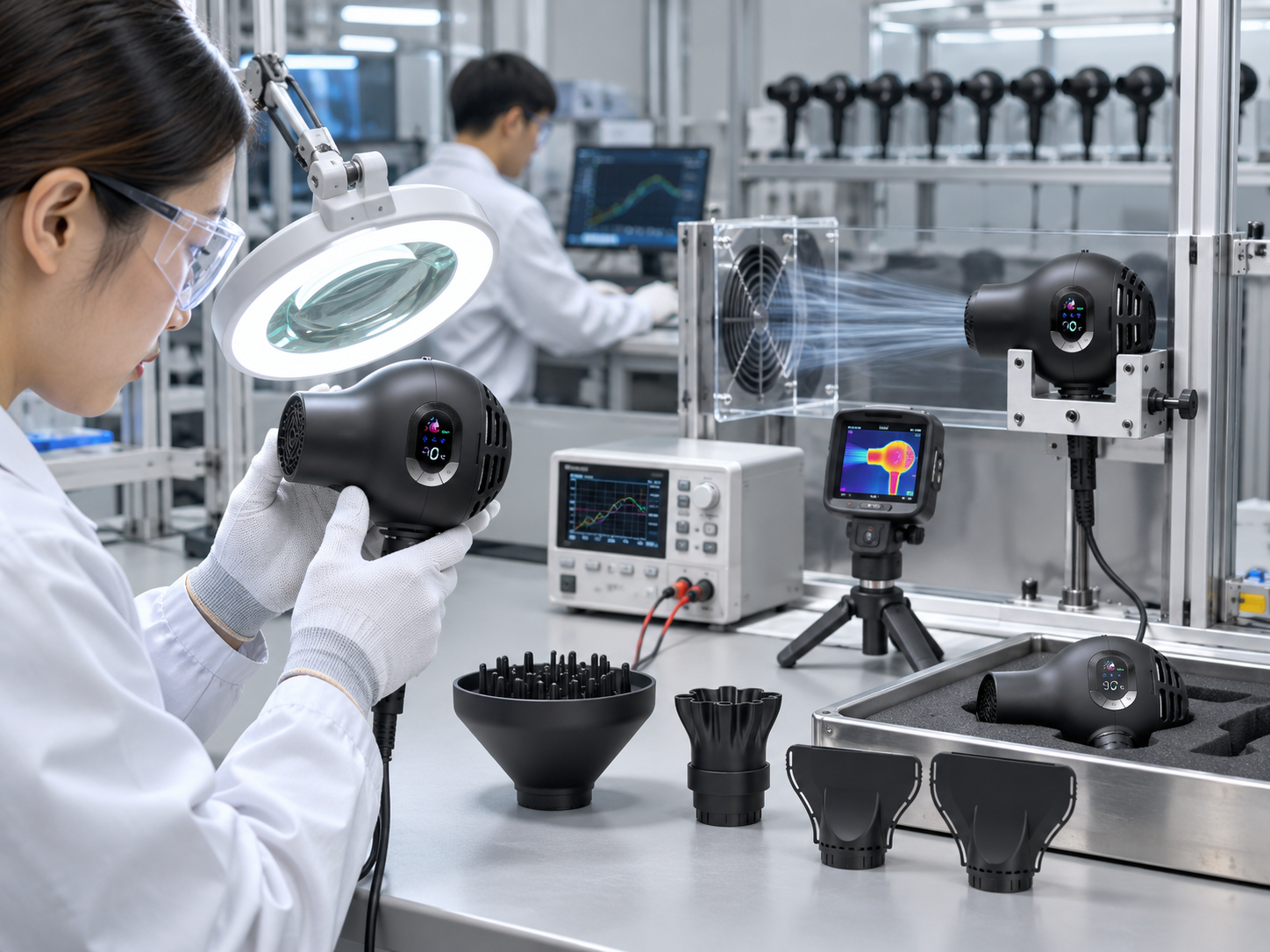
Quality control should be assessed throughout production rather than only after the finished products are packed.
Incoming Component Inspection
Manufacturers should have processes for assessing critical components before assembly.
These may include motors, heating elements, PCBA assemblies, power cords, switches, and housing materials.
In-Process Testing
Relevant production-stage tests may include:
- PCBA function testing
- Motor and fan operation checks
- Heating function testing
- Switch and control checks
- Power cord and connection inspection
Finished-Product Testing
Depending on the product and test plan, checks may include:
- Temperature performance
- Electrical safety
- Product aging
- Airflow and noise
- Mechanical durability
- Drop and transportation simulation
- Appearance and packaging inspection
Ask the supplier to explain which tests are applied to the product model, the inspection frequency, and how nonconforming products are handled.
Quality Control Questions to Ask
Before confirming a bulk order, request answers to these questions:
- What inspections are performed before production?
- Which functions are tested during assembly?
- How are finished products inspected?
- Can the supplier provide relevant test records?
- What happens if a defect is identified before shipment?
- How are quality issues handled after delivery?
Clear answers help buyers understand whether the factory’s quality management approach matches their procurement expectations.
6. Verify Compliance for Your Target Market
An experienced manufacturer should be able to discuss the destination market’s electrical requirements and provide available product-specific documentation.
However, no single certification automatically covers every country, product model, or electrical configuration.
United States
For hair dryers intended for the US market, buyers should assess the selected model’s electrical configuration and applicable safety requirements.
Relevant requirements may involve electrical appliance safety standards, product labeling, and other market-specific obligations.
Ask for model-specific test reports and documentation, and confirm applicable requirements with qualified compliance professionals or the appropriate testing organization.
European Union
For the EU market, buyers should consider applicable electrical safety, electromagnetic compatibility, restricted-substance, labeling, and product documentation requirements.
Depending on the product and applicable legislation, CE marking and supporting conformity documentation may be relevant.
United Kingdom and Other Markets
Requirements for the United Kingdom, Japan, Australia, and other countries differ.
Do not assume that documentation accepted in one market automatically satisfies another country’s requirements.
Buyer Tip: Always verify that the product name, model number, electrical configuration, and manufacturer details in the documentation match the actual product you intend to import.
7. Compare MOQ, Lead Time, Pricing, and Payment Terms
A low unit price may appear attractive but can hide additional costs.
Before choosing a supplier, compare the full commercial offer.
Minimum Order Quantity
MOQ may vary based on:
- Standard versus customized products
- Logo application methods
- Custom colors or materials
- Retail packaging design
- Accessory configurations
- Component sourcing requirements
For small private label projects, ask whether standard-product branding is available at a lower initial quantity.
Sample and Bulk Production Lead Times
Clarify the time required for:
- Sample availability or preparation
- Sample shipment and evaluation
- Artwork and packaging approval
- Component procurement
- Bulk production
- Inspection and shipping preparation
Different product configurations may require different schedules.
Total Procurement Cost
Compare quotations using consistent assumptions.
| Cost Item | What Buyers Should Confirm |
|---|---|
| Unit Price | Model, configuration and quantity |
| Logo Customization | Method, artwork and setup costs |
| Packaging | Box type, inserts, printing and labels |
| Samples | Sample charge and shipping |
| Tooling | Whether custom molds or development fees apply |
| Quality Inspection | Included checks and any third-party inspection fees |
| Freight | Shipping terms, destination and responsibilities |
| Payment | Deposit, balance and agreed payment method |
Ask suppliers to identify the applicable trade terms, such as FOB or EXW, so quotations can be compared fairly.
8. Evaluate Communication and After-Sales Support
Manufacturing capability is important, but communication quality also affects project outcomes.
A suitable supplier should respond clearly to technical questions, identify configuration differences, and explain what can be supplied.
Before Production
Expect clear communication regarding:
- Product specifications
- Customization scope
- Sample approval
- Artwork and packaging confirmation
- Production arrangements
During Production
Agree on how the supplier will communicate progress, changes, and inspection arrangements.
For customized products, ensure that critical specifications are documented rather than relying only on informal chat messages.
After Delivery
Discuss warranty coverage, spare parts, defective-unit handling, and quality issue resolution before placing the order.
A long-term manufacturing partnership should support repeat orders and product portfolio development, not simply the initial shipment.
9. Use a Practical OEM Hair Dryer Supplier Evaluation Checklist
The following scorecard helps procurement teams compare multiple suppliers using consistent criteria.
| Evaluation Area | Suggested Weight | What to Evaluate |
|---|---|---|
| Manufacturing Capability | 20% | Production resources, capacity and consistency |
| Product Quality & Testing | 25% | Quality processes and model-specific test evidence |
| OEM/ODM Customization | 20% | Branding, packaging and development flexibility |
| Market Compliance Support | 15% | Relevant documentation and technical communication |
| Commercial Terms | 10% | MOQ, total cost, lead time and payment |
| Communication & After-Sales | 10% | Response quality, warranty and issue handling |
| Total | 100% | Compare suppliers on the same scoring basis |
This weighting is an illustrative procurement framework, not an industry-standard certification or ranking method. Adjust the weights according to your business priorities.
For example, a brand entering the US market may assign greater weight to product compliance and documentation, while an established European distributor may place more emphasis on product consistency and repeat-order reliability.
Warning Signs When Evaluating a Hair Dryer Supplier
Be cautious if a supplier:
- Cannot explain differences between product models
- Uses inconsistent specifications in quotations and product documents
- Cannot provide samples matching the proposed bulk order
- Makes broad certification claims without identifying the applicable model
- Changes important commercial terms without clear explanation
- Cannot describe its approach to product inspection and defects
A professional sourcing decision should be based on evidence, sample evaluation, and clear commercial terms.
10. Prepare a Complete RFQ for Hair Dryer Manufacturers
A well-prepared request for quotation (RFQ) helps suppliers provide accurate pricing and product recommendations.
Include the following information:
| RFQ Field | Example |
|---|---|
| Product Type | High-speed hair dryer |
| Target Market | United States |
| Preferred Motor | Brushless motor |
| Estimated Quantity | 1,000 units |
| Custom Logo | Yes |
| Packaging | Private label retail box |
| Accessories | Concentrator and diffuser options |
| Electrical Configuration | Suitable model for the destination market |
| Compliance Documentation | Applicable model-specific reports |
| Delivery Destination | United States |
| Target Schedule | Specify required shipment window |
Sample RFQ Email
Subject: OEM Hair Dryer Inquiry — Private Label Project
Dear Sales Team,
We are looking for an OEM hair dryer manufacturer for our beauty brand.
Our target market is the United States, and we are interested in a high-speed hair dryer with private label logo and customized retail packaging.
Our estimated initial order is 1,000 units.
Please recommend suitable models and provide information on product specifications, customization options, sample arrangements, MOQ, production lead time, and available product-specific compliance documentation.
We would also appreciate a quotation based on our requirements.
Best regards,
Purchasing Team
Using a structured inquiry helps reduce misunderstandings and makes it easier to compare quotations from different manufacturers.
11. Why Consider MESKY as Your OEM Hair Dryer Manufacturing Partner?
MESKY is a China-based hair styling tools supplier serving international beauty brands, distributors, importers, and wholesale customers.
The company offers hair dryer product selection and OEM/ODM customization services for businesses seeking differentiated hair styling tools.
Hair Styling Product Development
MESKY supports product development and sourcing discussions involving hair dryers and related styling appliances.
Buyers can review different product designs, motor configurations, accessories, and branding requirements.
Private Label Customization
Available project discussions may include:
- Custom logos
- Product colors
- Plug configurations
- Packaging design
- Styling accessories
- Model-specific product requirements
Customization scope and commercial conditions depend on the selected product.
Manufacturing and Quality Control
MESKY’s manufacturing operations include production and quality management processes for hair styling tools.
For your project, request the relevant product specifications, quality inspection details, and available supporting documentation.
Product Selection for International Markets
MESKY works with customers targeting different international markets.
Buyers can discuss destination-specific configurations and available product options with the sales team.
Explore MESKY Hair Dryer Products
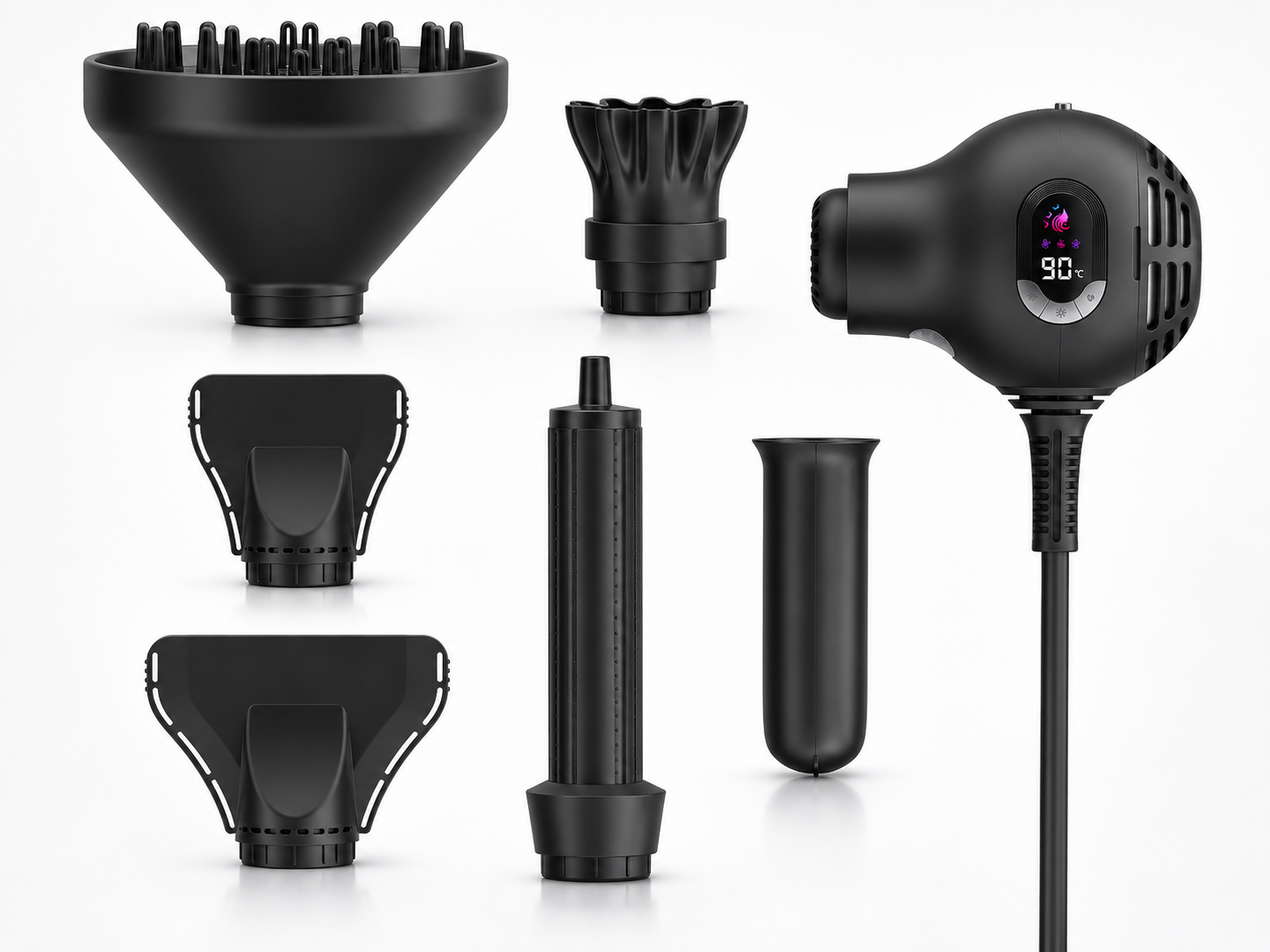
Browse the MESKY Hair Dryer Collection to compare product models for wholesale and private label projects.
For brands seeking a distinctive product design, explore the MK-6189 Spherical High-Speed Hair Dryer.
You can also review our Top 10 Hair Dryer Manufacturers in the World article for an overview of established brands and manufacturing-related companies.
12. Frequently Asked Questions About OEM Hair Dryer Manufacturers
What Is an OEM Hair Dryer Manufacturer?
An OEM hair dryer manufacturer produces hair dryers according to agreed specifications or manufacturing requirements. Depending on the supplier and project, services may include branding, configuration changes, packaging, and product development support.
What Is the Difference Between OEM and Private Label Hair Dryers?
OEM projects generally involve manufacturing to agreed buyer requirements. Private label projects often involve branding existing or modified products under the buyer’s name.
The actual scope depends on the supplier and manufacturing agreement.
Can I Start a Private Label Hair Dryer Brand Without Developing a New Mold?
Yes, many private label projects begin with existing product designs.
Buyers may customize logos, colors, packaging, and available configurations, depending on the manufacturer’s capabilities and order requirements.
How Do I Verify a Hair Dryer Factory in China?
Review the supplier’s business information, factory profile, available audit materials, product samples, manufacturing processes, quality control information, and supporting test documentation.
An independent factory inspection may be appropriate for larger purchasing projects.
What Certifications Should a Hair Dryer Manufacturer Provide?
The required documentation depends on the destination market, product design, and applicable regulations.
Buyers should request the relevant model-specific reports and confirm that the documentation matches the product being purchased.
What Is the Typical MOQ for OEM Hair Dryers?
There is no universal MOQ for OEM hair dryers. It varies according to model selection, customization, packaging, and production requirements.
Ask for a quotation based on your actual project.
How Long Does OEM Hair Dryer Production Take?
Production timing depends on sample approval, customization, component availability, order volume, and factory scheduling.
Confirm the proposed timeline with your supplier before approving the order.
Can Hair Dryer Manufacturers Provide Custom Packaging?
Many OEM and private label manufacturers offer packaging customization.
Available packaging types, minimum quantities, design requirements, and costs should be confirmed for the selected model.
What Should I Check Before Placing a Bulk Order?
Confirm the final sample, technical specifications, product configuration, labeling, quality requirements, compliance documentation, payment terms, inspection arrangements, and delivery schedule.
How Can I Request an OEM Hair Dryer Quotation From MESKY?
Provide your target market, preferred model, estimated order quantity, logo and packaging needs, and expected delivery requirements.
The MESKY team can discuss suitable models and available customization options.
Conclusion: Choose a Manufacturing Partner, Not Just a Product Price
Finding the right OEM hair dryer manufacturer requires a balanced evaluation of product technology, manufacturing capabilities, quality control, customization, compliance, and commercial support.
A reliable supplier should help you understand the available options, confirm specifications, evaluate samples, and establish clear expectations before bulk production.
Whether you are launching a new private label hair dryer brand or expanding an existing wholesale collection, a structured sourcing process can reduce avoidable risks and support more consistent purchasing decisions.
Request an OEM Hair Dryer Quote From MESKY
Looking for a hair dryer manufacturer for your beauty brand, e-commerce business, or distribution company?
Explore the MESKY Hair Dryer Collection or discover the MK-6189 Spherical High-Speed Hair Dryer.
Contact MESKY for OEM/ODM Hair Dryer Solutions to discuss your project, product requirements, samples, and wholesale quotation.
Last Updated on 11/02/2026 by sales04