Blow-drying usually takes minutes, while air-drying can take hours. The actual time depends on hair length, density, starting moisture, drying technique, and the tools used.
As a general reference, Matrix lists approximately 10–20 minutes for blow-drying in its drying-method comparison. GK Hair gives approximately 15–30 minutes for an at-home blowout, which includes shaping and smoothing. These guides cover different routines and should not be treated as guaranteed times for every hair type or dryer. Matrix drying guide, GK Hair blowout guide
Understanding what changes drying time helps users improve their routine. It also helps beauty brands, distributors, and salon buyers evaluate hair dryer performance more carefully.
Hair Drying Time: A Quick Reference
Before comparing times, check whether you are measuring basic drying, a finished style, or the entire routine.
| Drying routine | General reference | Important distinction |
|---|---|---|
| Blow-drying | Around 10–20 minutes in Matrix’s comparison | Results vary with hair, preparation, settings, and technique |
| At-home blowout | Around 15–30 minutes in GK Hair’s guide | Includes shaping and smoothing |
| Air-drying | Can take several hours | Strongly influenced by density, humidity, and starting moisture |
These are general references, not controlled comparisons between products. They are not MESKY product test results.
A shorter drying time becomes meaningful when the hair sample, starting condition, and desired result are comparable.
How Hair Length and Type Affect Drying Time
Length matters, but it does not determine drying time on its own. Hair density describes how many strands you have, while strand thickness describes the diameter of each strand.
| Hair characteristics | What may affect drying | Practical approach |
|---|---|---|
| Short, low-density hair | Roots can remain damp even when lengths feel dry | Use controlled airflow and check before continuing |
| Medium-length hair | Surface layers may dry before the underneath sections | Separate sections and check the inner layers |
| Long or dense hair | More wet hair and concealed areas can extend the routine | Work systematically through manageable sections |
| Curly or coily hair | Preserving curl definition changes the drying method | Choose suitable attachments and controlled settings |
A short, dense hairstyle may take longer to dry than longer hair with much lower density. Similarly, diffusing to preserve curls involves a different routine from simply removing moisture.
Assigning one fixed drying time to all short, long, or curly hair can therefore be misleading.
Why Does Hair Take So Long to Blow-Dry?
If hair stays damp longer than expected, check the preparation, airflow, and styling routine.
Too Much Water Remains at the Start
Starting with dripping-wet hair gives the dryer more water to remove.
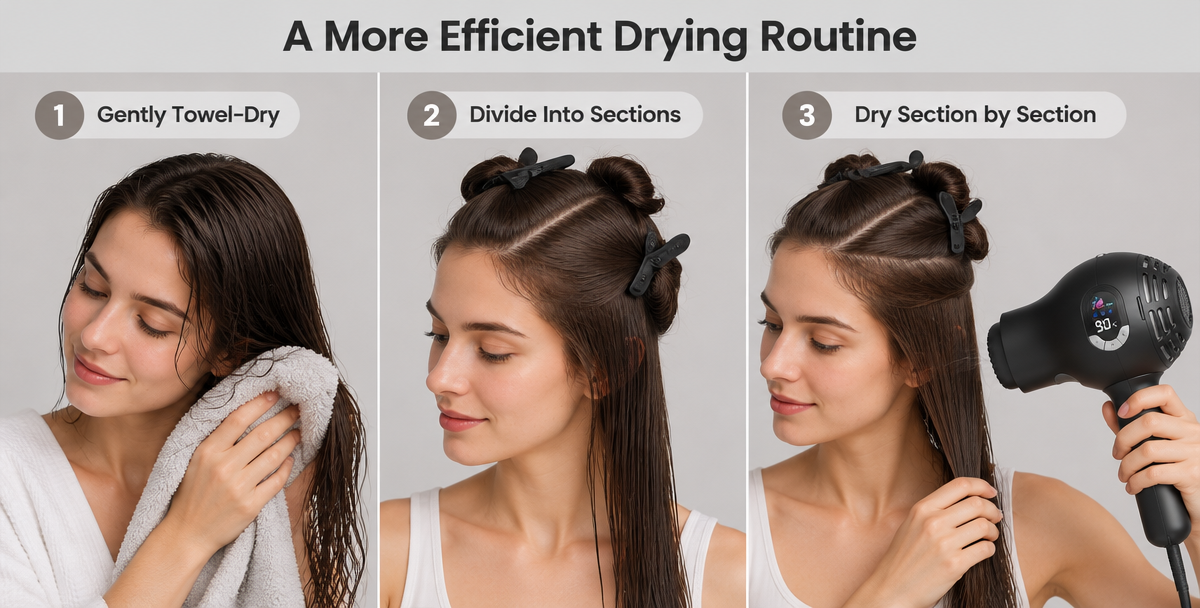
Gently absorb excess moisture before blow-drying. Avoid vigorous rubbing. The American Academy of Dermatology recommends using a towel or T-shirt to absorb moisture gently. AAD healthy hair tips
Sections Are Too Large
When a large amount of hair is dried at once, airflow may not reach the roots and inner layers effectively.
Divide dense hair into manageable sections. Surface dryness alone does not mean the entire section is dry.
Airflow Is Restricted or Poorly Directed
Attachment position, covered air inlets, or a filter that needs maintenance can affect airflow.
Follow the manufacturer’s instructions for attachment use and cleaning, and keep air inlets clear during operation.
Drying and Styling Are Being Measured Together
Round-brush work, smoothing, and shaping add time.
If you want to understand why a routine takes longer, record basic drying and detailed styling separately.
The Environment Has Changed
Humid surroundings and limited ventilation can slow evaporation, especially during air-drying. Results may differ between a steamy bathroom and a well-ventilated room.
How to Dry Hair More Efficiently
A more efficient routine starts with preparation and making wet areas accessible to airflow.
- Absorb excess water gently. Use a towel or soft T-shirt without rough rubbing.
- Use products as directed. Follow the instructions for heat protectants and styling products.
- Separate dense hair into sections. Make it easier to reach roots and inner layers.
- Choose suitable heat and airflow. Use a comfortable setting and keep the dryer moving.
- Select attachments by purpose. A concentrator directs airflow, while a diffuser spreads it for a different styling approach.
- Check before continuing. Pay attention to the roots, nape, and inner layers, and avoid repeatedly heating areas that are already dry.
Excessive heat can damage hair. AAD recommends low or medium heat settings and a product designed to protect hair from heat. AAD healthy hair tips
Does Higher Wattage Mean Faster Drying?
Wattage describes electrical power consumption. It does not directly measure how quickly a complete dryer removes moisture from hair.
Actual performance also depends on airflow delivery, temperature settings, attachment design, and technique. Dyson’s buying guide likewise identifies airflow, heat settings, and ergonomics as important considerations. Dyson hair dryer buying guide
Motor speed is another specification, but it should be assessed alongside the complete product.
When comparing dryers, ask:
- How does the dryer perform with the intended attachment?
- Are heat and airflow adjustable for the target users?
- Is it comfortable to hold throughout the routine?
- What conditions support its drying-time claim?
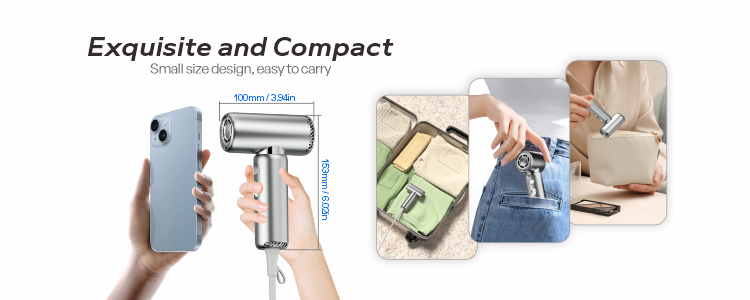
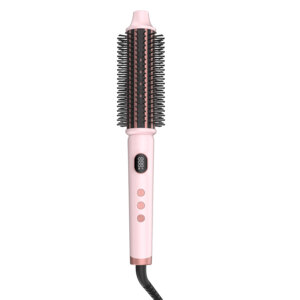
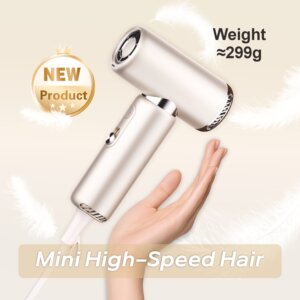
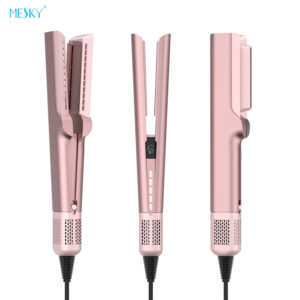
To explore different configurations, browse the MESKY hair dryer range and compare the specifications, controls, and attachment options listed for each model.
What Should Brands and Distributors Check Before Buying?
For brands, importers, distributors, and salon buyers, drying time should be assessed alongside usability and target-market requirements.
A practical sample comparison can remain straightforward:
| Evaluation area | What to keep consistent or record |
|---|---|
| Hair sample | The same test subject under comparable conditions, or matched tresses |
| Starting moisture | The wetting and excess-water removal procedure |
| Product settings | Temperature, speed, and attachment |
| Operation | Section size, working distance, and technique |
| Drying endpoint | An agreed definition of dry |
| Repeated results | Several trials rather than only the fastest demonstration |
| User experience | Comfort, handling, noise, and maintenance access |
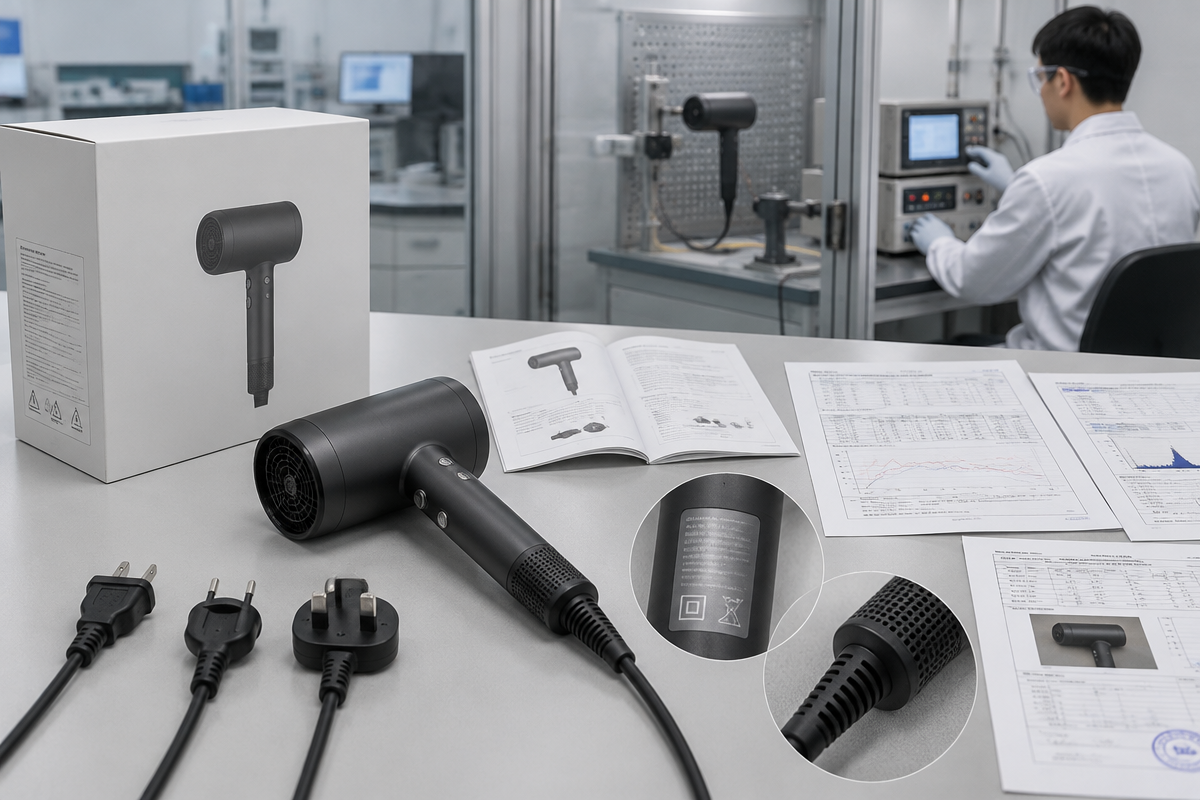
Also confirm voltage, plug, labeling, applicable compliance documents, and customization for the selected model.
Drying performance is one part of supplier evaluation. For a broader checklist covering manufacturing capabilities, customization, quality control, and commercial terms, read our guide on how to choose an OEM hair dryer manufacturer.
Frequently Asked Questions
How long does it take to dry hair with a hair dryer?
Published guides may use a reference such as 10–20 minutes, but individual results vary. Hair length, density, starting moisture, settings, and styling requirements all matter. Treat the time as a reference rather than a deadline.
Why does thick hair take longer to dry?
Dense hair can make it harder for airflow to reach inner layers. The surface may feel dry while roots and underneath sections remain damp.
Does curly hair always take longer to dry?
Not always. Density, length, products, attachments, and the desired finish all affect the routine. Preserving curl definition may require a different approach from rough-drying straight hair.
How long does hair take to dry naturally?
It can take hours. Short, fine hair may dry in under an hour, while long or dense hair can take several hours. Humidity and starting moisture also affect the result. L’Oréal Paris drying guide
Does a diffuser make drying faster?
A diffuser spreads airflow and supports a different styling method. It should not be assumed to shorten drying time compared with every other attachment.
How can buyers verify a supplier’s fast-drying claim?
Ask for the hair sample, starting moisture, settings, attachment, procedure, drying endpoint, and repeated results. Compare claims only when the conditions are sufficiently similar.
Explore Hair Dryers for Your Brand
Choosing a hair dryer starts with understanding the users and routines it needs to serve.
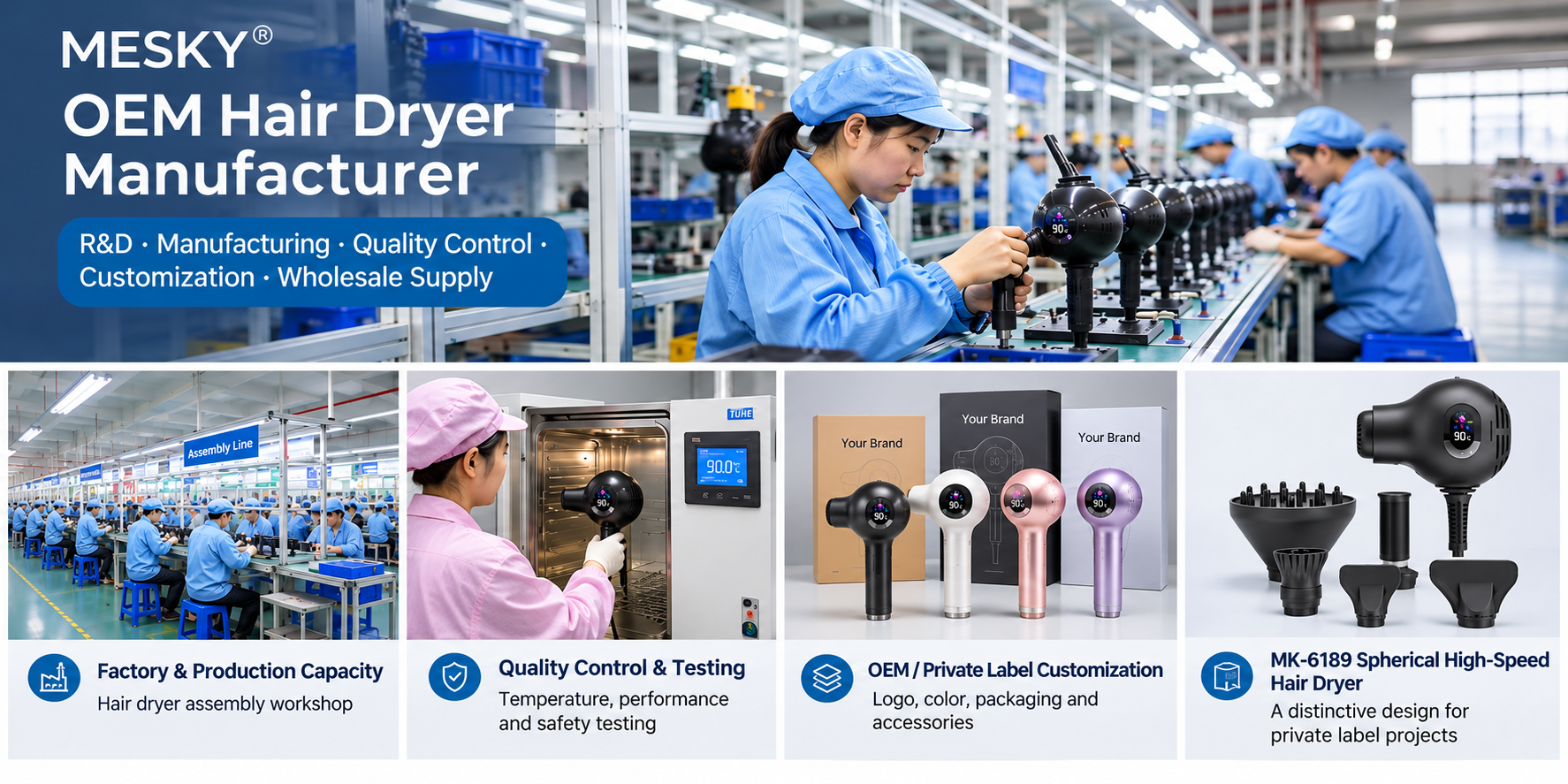
For brands and distributors exploring high-speed models, the MK-6189 high-speed hair dryer is one option to consider for an OEM/ODM or private-label project. Review its product configuration, then discuss attachment options, customization requirements, and sample evaluation with MESKY.
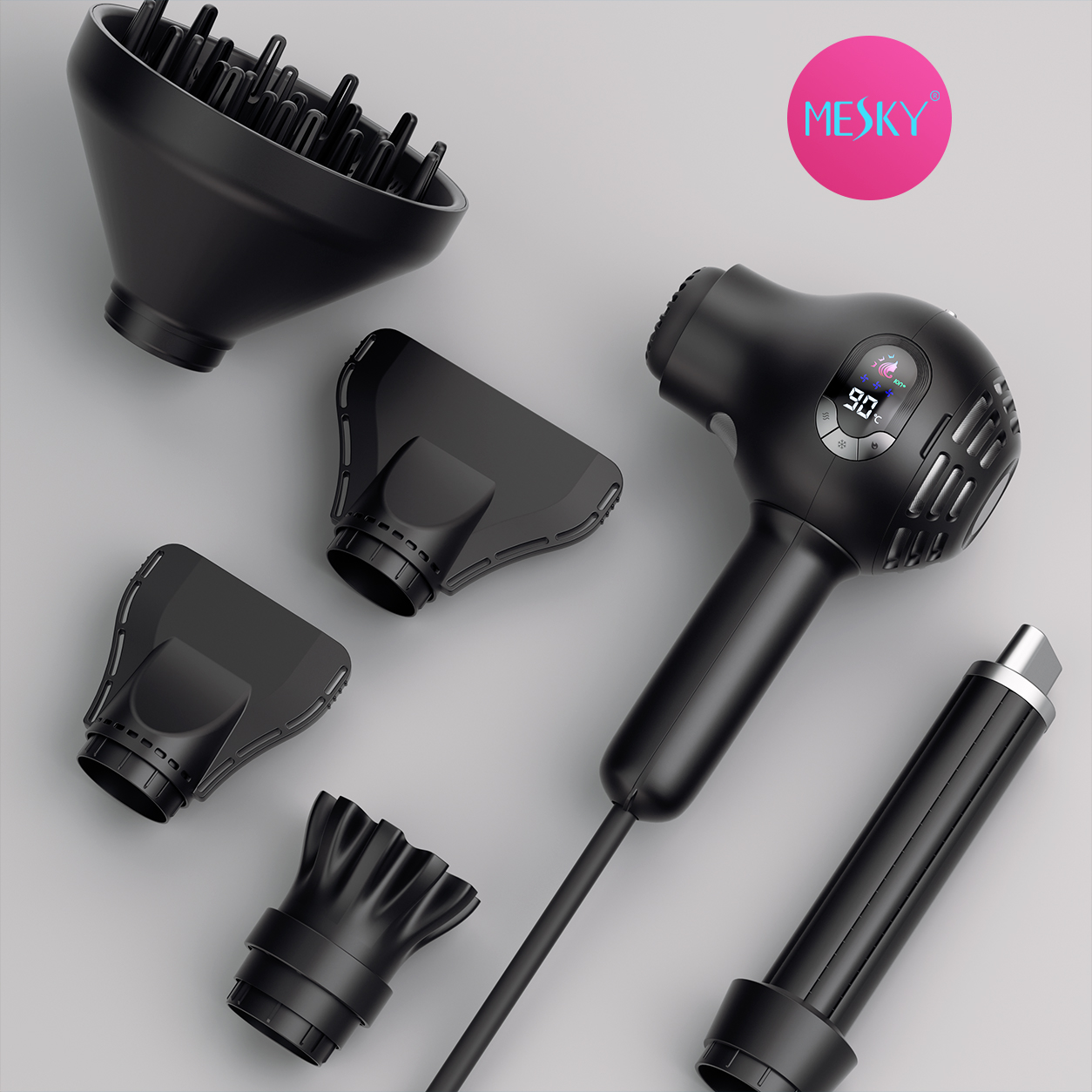
Share your target market, estimated order quantity, and branding needs to discuss your hair dryer project with MESKY.
Last Updated on 11/11/2026 by sales04